
Selling
Backyard Sheds, Studios and Casitas: What They Do to a Utah Home's Value
The she shed had its moment a few years ago, and what it turned into is more interesting than the trend was. Backyard studios, offices, craft rooms and casitas are now one of the most common projects Utah homeowners ask me about.
The question underneath it is always the same. Will I get the money back?
Sometimes. The difference almost never comes down to how nice it is.
The permit is the whole ballgame
An appraiser can only credit finished square footage that legally exists. A beautiful, insulated, wired backyard studio built without a permit is, on paper, a shed.
That is the single biggest mistake I see. Someone spends $30,000 on a proper room and gets credit for a storage building, because there is no permit and no certificate of occupancy tying it to the house.
Worse, it can actively cost you at sale. An unpermitted structure with power running to it is something a buyer’s lender may flag, an inspector will note, and a buyer’s agent will use. I have watched unpermitted space turn from a selling feature into a price reduction inside one inspection period.
What the permit threshold actually is
The model code, IRC R105.2, exempts a one-story detached accessory structure from a building permit if the floor area is 200 square feet or less.
Two things people miss.
Your city may be stricter. Utah is a local-control state on this, and plenty of Utah cities cut the exemption to 120 square feet. The number you heard from a neighbor in a different city may not be your number. Call your own building department before you order anything.
Exempt from a permit is not exempt from zoning. Setbacks from the property line, height limits, lot coverage and HOA rules all still apply to a structure that needs no building permit at all. A 100 square foot shed placed two feet from the fence can still be a violation.
And the moment you add plumbing or a permanent electrical circuit, you are usually outside the exemption regardless of size.
What actually adds value
In rough order, from what I see on the Wasatch Front:
A permitted, conditioned accessory dwelling unit. Kitchen, bathroom, its own entrance, legally recognised. This is the one that changes the number materially, because it changes what the property is rather than what it has. It is also the most expensive and the most regulated.
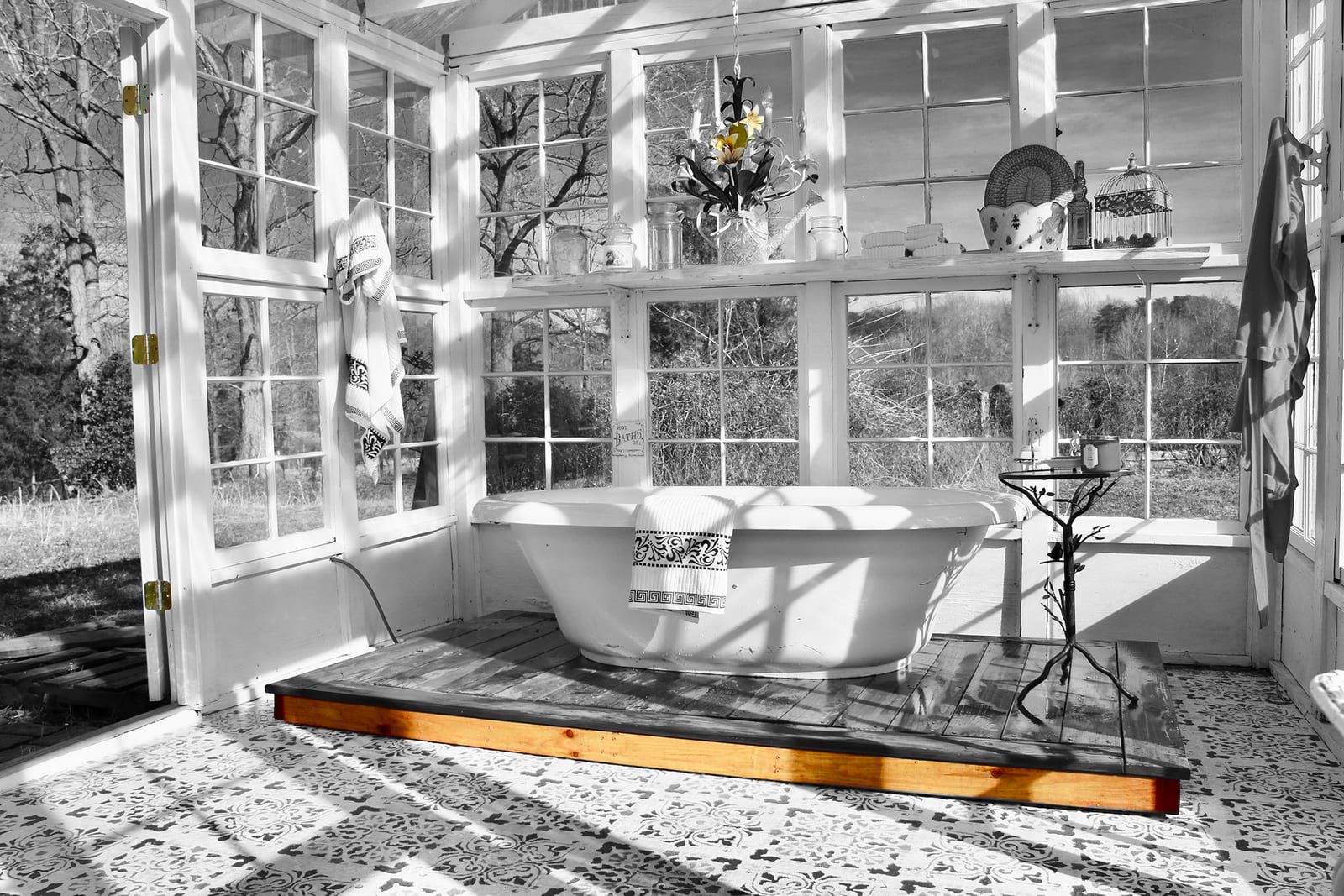
A permitted, conditioned studio or office. Heated, cooled, wired, no kitchen. Real value, especially since a home office stopped being optional for so many people. Appraisers treat it as a genuine improvement.
A good, unconditioned shed. Storage is worth something in a market where garages are full. It rarely shows up as a line item in an appraisal but it does make a house easier to sell.
An unpermitted finished room. Frequently worth nothing on paper and occasionally worth less than nothing at closing.
If you already built one without a permit
Do not panic and do not hide it.
Talk to your city about whether it can be permitted after the fact. Many will inspect and issue a permit retroactively, sometimes with changes. That process is far cheaper than discovering the problem while you are under contract with a buyer whose lender is asking questions.
If it cannot be permitted, that is still better known now than in an inspection period, because it changes how you price and how you describe it.
Frequently Asked Questions
Do I need a permit for a shed in Utah?
The model code exempts a one-story detached accessory structure of 200 square feet or less, but many Utah cities lower that to 120 square feet, and adding plumbing or permanent wiring generally removes the exemption. Check with your own city’s building department, since this is set locally.
Does a backyard studio add value to my home?
A permitted, conditioned studio usually does, because an appraiser can credit it. An unpermitted one often adds nothing on paper no matter how well it is finished, and can become a negotiating point for a buyer.
Does an unpermitted structure have to be disclosed when I sell?
Talk to your agent and, if there is any doubt, a Utah real estate attorney. Practically, an inspector and a buyer’s lender frequently find these anyway, and being upfront costs far less than being discovered.
Do setback rules still apply if I do not need a permit?
Yes. Zoning is separate from the building permit. Setbacks, height limits, lot coverage and any HOA rules apply regardless of whether a permit is required.
The bottom line
Build the studio. They are genuinely useful, and the version of this trend that stuck around did so because a room that is not in your house turns out to be worth having.
Just pull the permit. It is the difference between an improvement and a liability, and it costs a fraction of what you are about to spend anyway.
Thinking about a project before you sell, and want to know whether it will come back to you? Call or text 801-999-8005, or start with a free home value report.
This is general information, not legal advice. Permit and zoning rules are set by your city or county, so confirm your own requirements before you build.